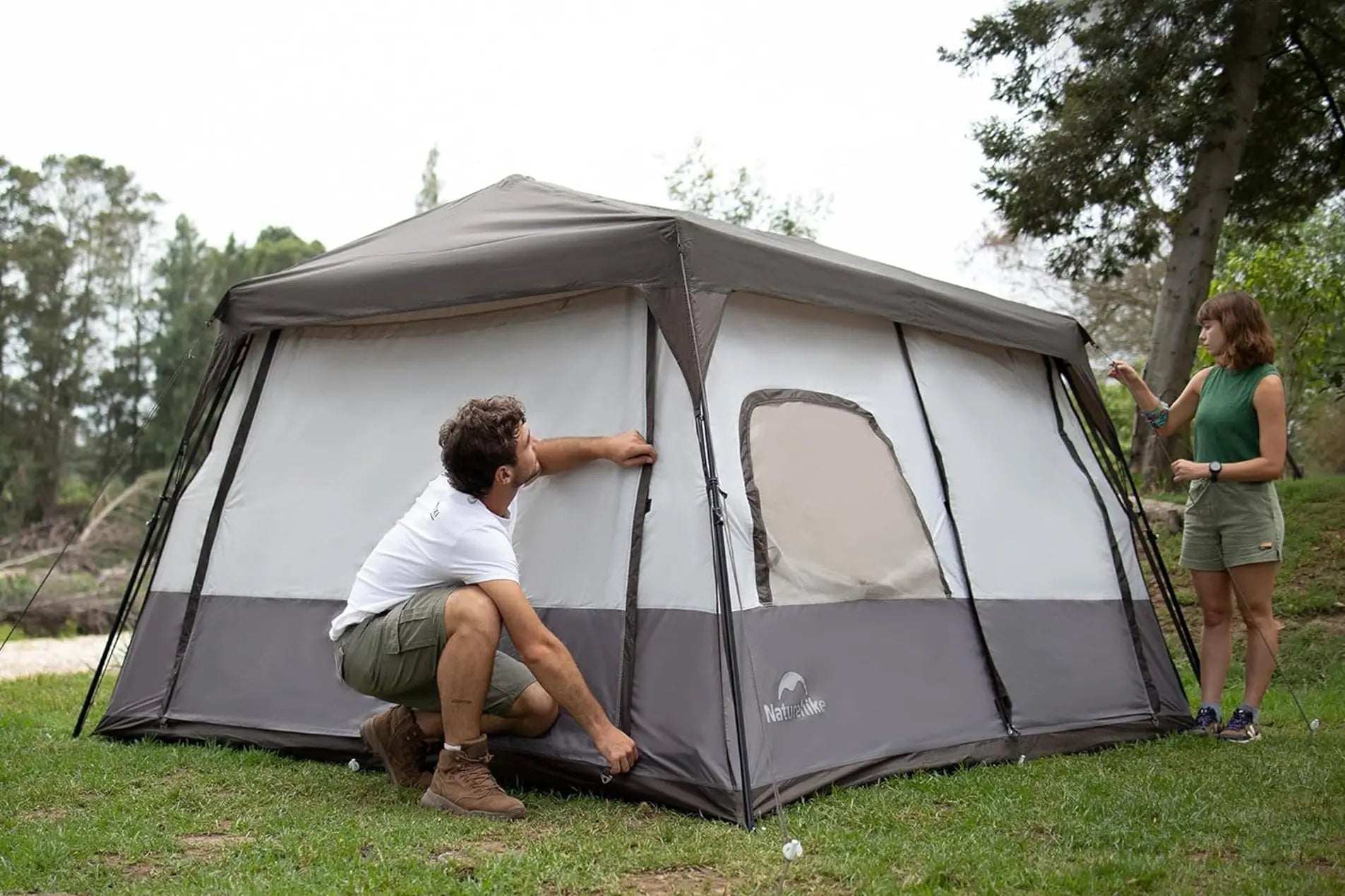
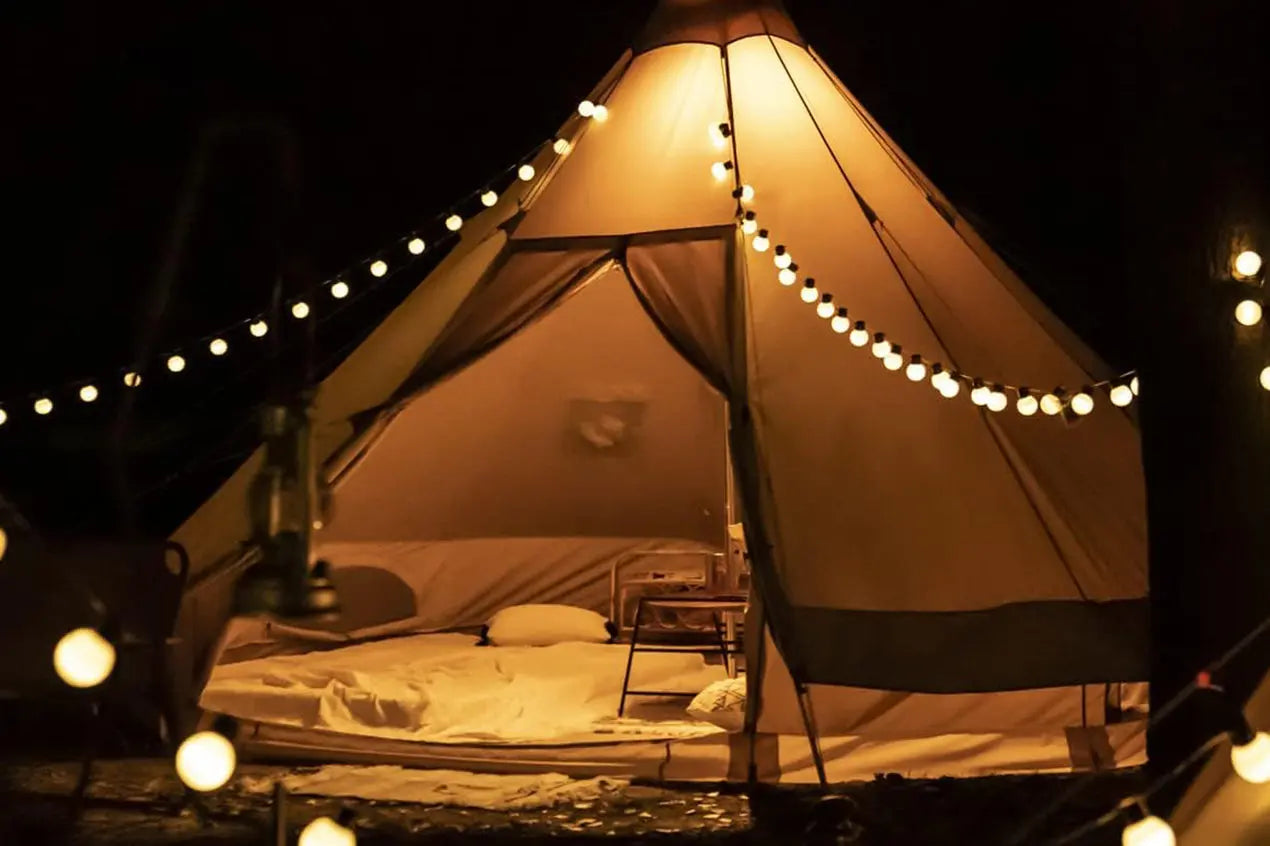
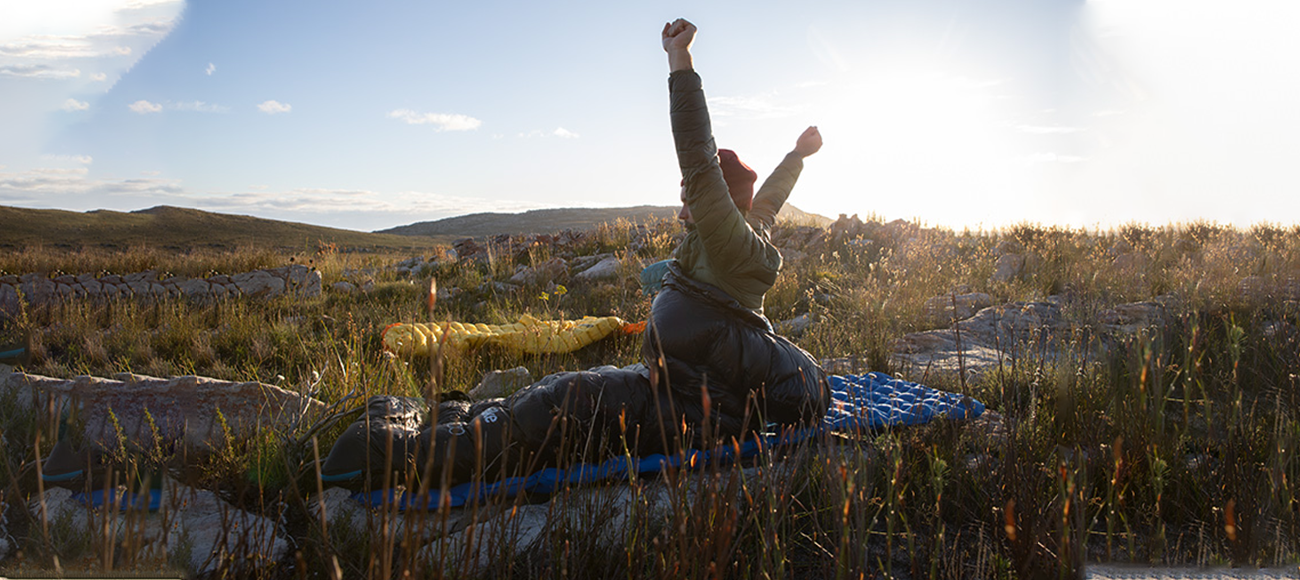
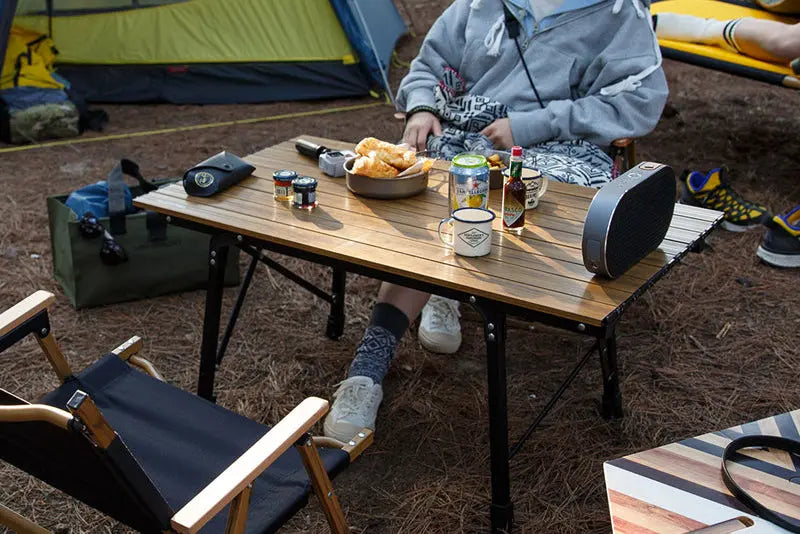
Summiture UL 2 is a professional-grade ultralight tent designed for two-person hiking, camping, and alpine trekking. Weighing only 1.24 kg (2.73 lb)*, it offers reliable protection with a PU1500mm waterproof flysheet and PU3000mm floor. The reinforced pyramid structure delivers excellent wind resistance, while five versatile setup modes provide adaptability in any environment. With a spacious interior and full mesh inner for breathability, the Summiture UL is built for comfort, performance, and versatility in the wild.
Key Features:
Ultralight & Compact – Just 1.24 kg (2.73 lb), packs down to 33 cm, ideal for backpacking
All-Weather Protection – PU1500mm fly + PU3000mm floor with sealed seams
Stable & Windproof – Pyramid frame tested to Level-7 wind resistance
Flexible Setup – Five pitch modes for various terrains and conditions
Spacious Interior – 210 × 120 × 115 cm layout fits two comfortably
Breathable Mesh Inner – Enhances airflow and keeps bugs out
Upgraded Components – YuksomeUL aluminum poles, V-stakes, tension straps
Inner tent *1
Support poles *2
Ground stakes *12 (including bag)
Tent storage bag *1
Guy lines *2
Tie-down straps *1
Positioning webbing straps *2
Groundsheet *1 (including bag)
Thank you for your order!
Estimated delivery times:
Please note: to ensure your tracking number remains valid—especially on China-origin shipments that may generate intermediate tracking numbers—there may be a short delay before we upload it. We appreciate your patience and support!
We Believe in What We Build
At NATUREHIKE, we understand the importance of reliable gear in the backcountry. That’s why our products are engineered to meet the highest quality standards and rigorously tested before reaching you.
Return & Exchange
Conditions of return
Damaged Items
If your product arrives damaged due to packaging issues, please contact us within 3 days of receipt, and we will arrange a replacement.
Warranty
If you encounter an issue covered by the NATUREHIKE Limited Warranty, please contact our team for assistance. We’re here to help you get started.

When choosing a backpacking tent, consider weight, capacity, interior space, weather conditions, and the type of trips you usually take.
For long-distance hiking or trips where keeping pack weight low is important, a lightweight and compact tent is usually the better choice. For example, Naturehike's Cloud Up series is designed with lightweight backpacking and compact packing in mind.
If you value more living space and easier access, look for features such as dual doors, larger vestibules, and a roomier interior. Naturehike's Mongar series, for example, places more emphasis on space and convenient access.
You should also consider the weather and terrain you expect to encounter. The best backpacking tent is not simply the lightest one—it should offer the right balance of weight, space, weather protection, and comfort for your trip.
Tent capacity is a useful starting point, but the right size also depends on how much personal space and gear storage you need.
When comparing tents, don't look at capacity alone. Check the floor dimensions, peak height, number of doors, and vestibule space as well. Naturehike offers backpacking tents in different capacities and layouts, so two tents with the same capacity may still feel very different inside.
Naturehike offers both 3-season backpacking tents and models designed for more demanding 4-season conditions. Choose based on the weather, temperature, wind, and terrain you expect to encounter rather than the season name alone.
Always check the individual model's intended use and specifications before heading into challenging conditions.
A tent's waterproof rating, measured in millimeters (mm), indicates how much water pressure the fabric can withstand before water begins to penetrate. This measurement is commonly known as the hydrostatic head rating.
For example, a 3000 mm waterproof rating means the fabric can withstand the pressure of a 3-meter column of water under standardized test conditions.
A simple guide to waterproof ratings:
Naturehike backpacking tents use different waterproof ratings depending on the model, fabric, and intended use. A higher rating generally indicates greater fabric water resistance, but it doesn't automatically mean better overall rain protection.
Actual performance also depends on tent construction, seam treatment, rainfly coverage, proper pitching, and campsite conditions. Always check the specifications of the individual model when comparing tents.
Condensation forms when warm, moisture-rich air inside the tent meets a cooler surface. High humidity, low temperatures, wet ground or gear, and moisture from breathing can all contribute.
To help reduce condensation:
Many Naturehike backpacking tents use a double-wall design, with a separate inner tent and rainfly, to help manage ventilation and moisture. However, some condensation is normal in humid, cold, or rainy conditions and does not necessarily mean the tent is leaking.
Equipped with a PU1500mm waterproof outer tent and a PU3000mm waterproof floor, this tent has passed rigorous storm and wind tests, including Level 7 wind certification. Its sturdy tower structure withstands harsh weather conditions with confidence.
Weighing only about 1.24 kg with a compact packed size of 33 cm, this tent is optimized for hiking and camping. Its lightweight construction makes it easy to carry without adding burden on your outdoor adventures.
The inner tent measures 210 × 120 × 115 cm, offering 30% more volume than similar tents. It features top ventilation for airflow and condensation control, plus five flexible pitching modes to suit different environments. Durable aluminum poles, V-shaped ground spikes, mosquito mesh, and adjustable floor height ensure comfort and stability everywhere.
Naturehike products are crafted with precision and durability, trusted by outdoor enthusiasts worldwide. Enjoy unparalleled quality and comfort on every adventure.
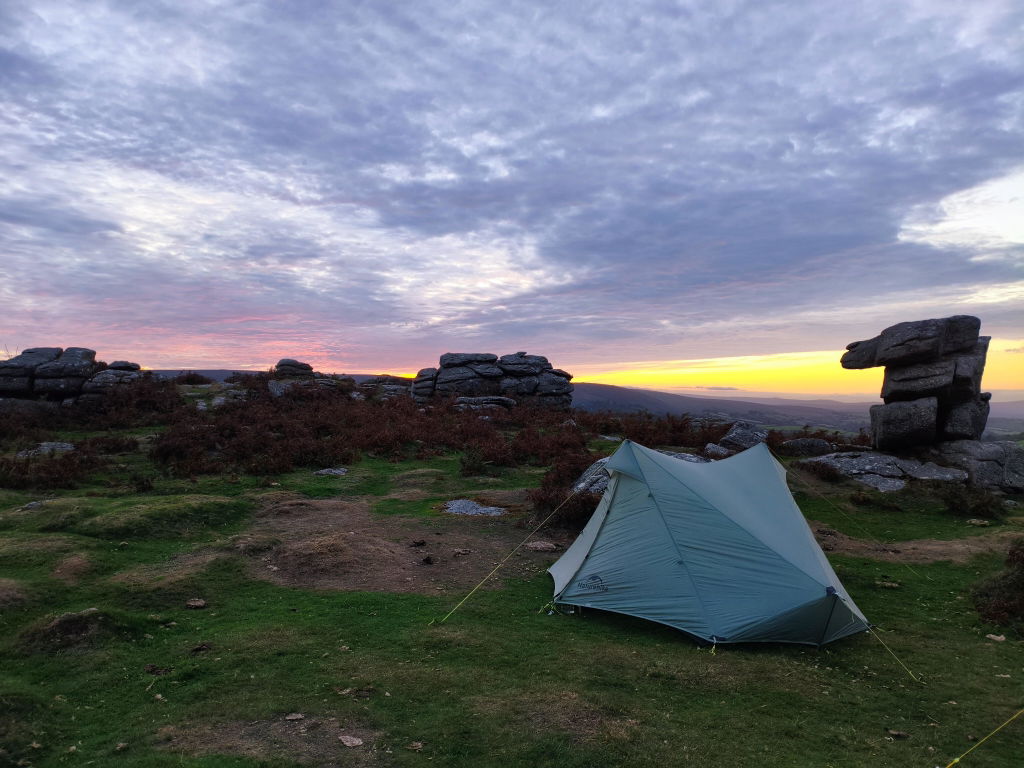
At first I was apprehensive but after getting this tent, everything is as expected from naturehike, excellent quality and well designed,pitched up on top of a tor and the wind came overnight and the tent took it.a few little tweaks and it was solid.very impressed that this worked so well.i put my trekking poles to 130 cm and it seemed to create more of a gap between the inner and outer.fly was very taught and YouTubers moan about zip issues,if pitched correctly the zips are smooth and work well so not sure why it's an issue.overall this tent is excellent,not had full rain yet so can't comment on waterproofness.thank you naturehike.a must buy for gram counters.
Love the tent so much I hope yall come out with a 4 season inner going making a impression video on my channel when I get a chance
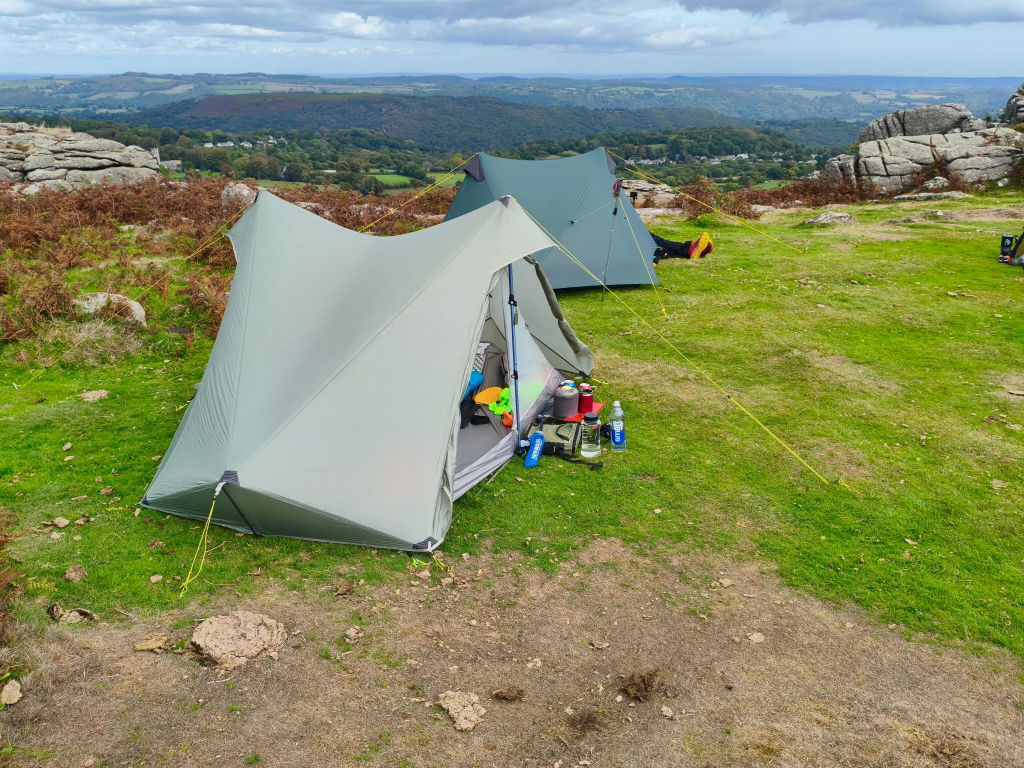
I like the product. For a tent, it's made of high quality lightweight material and the craftsmanship is quite good. I had it setup in my backyard for three nights and it rained for one of them. After this initial test, I find the tent to be waterproof (at least in light to moderate rain), stable and relatively easy to setup. It's a treking pole tent so you need a pair of those or you will have to use an alternative method to setup the tent, such as sticks, rigeline or aftermarket tent poles. It's listed as a two person tent, but as with most compact backpacking tents, it doesn't seem large enough for two full grown adults. It's perfect for one adult plus some gear. Overall it has a small pack size and is definitely lightweight considering it's technically a two person tent and it comes with a ground sheet (a big plus in my opinion). I strongly believe that this tent will be great for just about any backpacking adventure as long as severe weather will be avoided.